Curtain Up, Clock Down: Turning a Pre-Theatre Drink Into the Start of the Night

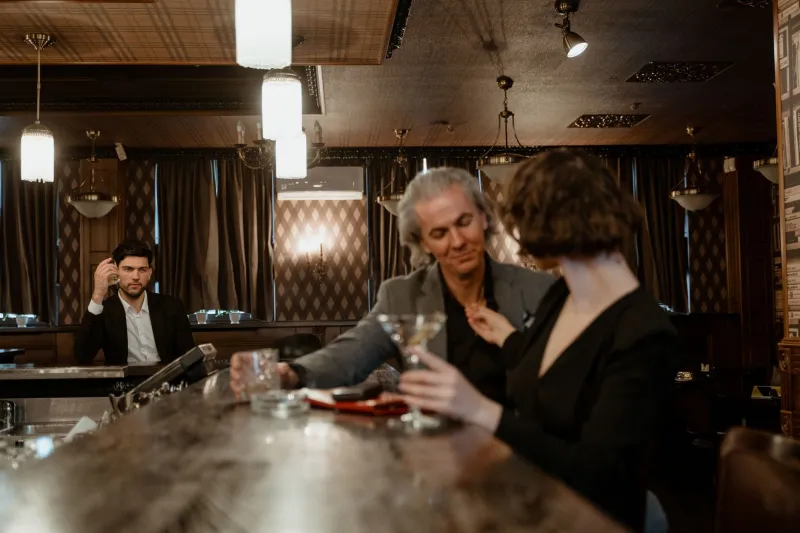
Photo: pre theatre cocktails bar London evening warm lighting, via cdn.ccdiscussion.com
A theatre night rarely begins when the curtain goes up. It begins earlier: on the walk from the Tube, in the queue for the loo, in the moment you decide whether there is time for one more thing. Too often, the pre-show lounge stop is treated as a holding pen — somewhere to stand awkwardly with a drink while watching the clock. It does not have to be that way. A good pre-theatre drink is a soft landing, a way of settling into the evening before the lights go down. The trick is to use the lounge deliberately, not squeeze it in.
Choose the walk, not the postcode
The nearest bar to the theatre is not always the right one. Look for somewhere within a ten-minute walk, ideally on the same side of the road so you are not doing battle with pavements full of people heading the other way. In the West End, that might mean slipping one street back from the main drag rather than joining the scrum outside the doors. For a regional playhouse or a fringe room above a pub, the same logic applies: close enough to stroll to, far enough to feel like a separate part of the night.
The best pre-theatre lounge gives you a room to breathe in. It does not need to be grand. It just needs to feel like a place where a single drink is welcome, not a table you have to defend.
Read whether it is built for theatre traffic
Some bars are. The signs are small and practical: a short cocktail list, staff who ask what you are seeing, snacks that arrive without cutlery, and a card machine that is not buried under a till. The room will have a gentle hum rather than a roar. If the bar is all two-hour tasting flights and a queue at the door, it is probably not the place for a 7.30pm curtain.
A slower lounge is not a bad bar. It is simply a bad fit tonight. If nobody seems to be in a hurry and the drinks are taking their time, you can either adjust your expectations or save it for after the show. Theatre traffic has its own rhythm, and a good lounge either moves with it or makes it clear that it does not.
One drink, ordered with intent
Choose a drink that arrives quickly and behaves itself. A highball, a spritz, a classic negroni if you like your aperitif bitter. Avoid anything with a long build, a smoke dome or a garnish that needs explaining. This is not the moment for the most theatrical thing on the menu. The theatre is doing that job.
One drink is usually enough. The point is not to arrive at the auditorium fuzzy; it is to arrive unhurried. Ask for tap water at the same time. It gives you something to do with your hands, slows the drink down and makes the whole stop feel less like a pit stop.
Keep the snack short
Order something you can eat with one hand. Olives, almonds, a small bowl of crisps, padron peppers, a couple of croquettes. Avoid the sharing board that needs three plates and a plan. If the snack menu is longer than the cocktail list, you are probably in a restaurant, not a lounge stop.
The small plate is not there to fill you up. It is there to take the edge off and give the drink a bit of company. A bowl of something salty and a cold glass is often all a pre-theatre stop needs.
Tell the bar the shape of your evening
When you order, give the barman the useful bit: 'We are in at 7.30, so just the one round.' That is not a demand. It is information. It helps the bar pace things without you having to wave at anyone or check your watch every ninety seconds. It also spares you the awkward card-machine ballet at 7.24.
If you can settle the bill as you order, do. One less thing to do on the way out. It leaves you free to finish the drink, gather coats and leave on the gentle side of late rather than the frantic side of on time.
Leave before the last minute
Aim to leave the lounge with twelve minutes to spare, not five. A calm walk, a loo queue, a coat check and a programme are all part of the theatre. Rushing them is what makes a night feel frantic. If you are running late, leave the drink. A half-finished highball is cheaper than a missed opening.
The best pre-theatre stop should feel like the first scene, not the interval. It sets the tempo. You walk into the theatre already in the evening, rather than arriving as someone who has just sprinted from a bar stool.
The return leg
If the lounge has done its job, you will remember it after the show. A good pre-theatre stop is also an audition for the second half of the night: if the room is still open and still calm at 10.15, it may be the place to come back to for one last drink. That is the quiet luxury of using a lounge well. It does not just fill the gap before curtain-up. It gives the whole night a shape.
The best pre-theatre drink is not the strongest or the most photogenic. It is the one that settles you into the evening before the curtain even goes up.