Half Four, Lights Down: Reading a Lounge in Britain’s Early-Dark Season
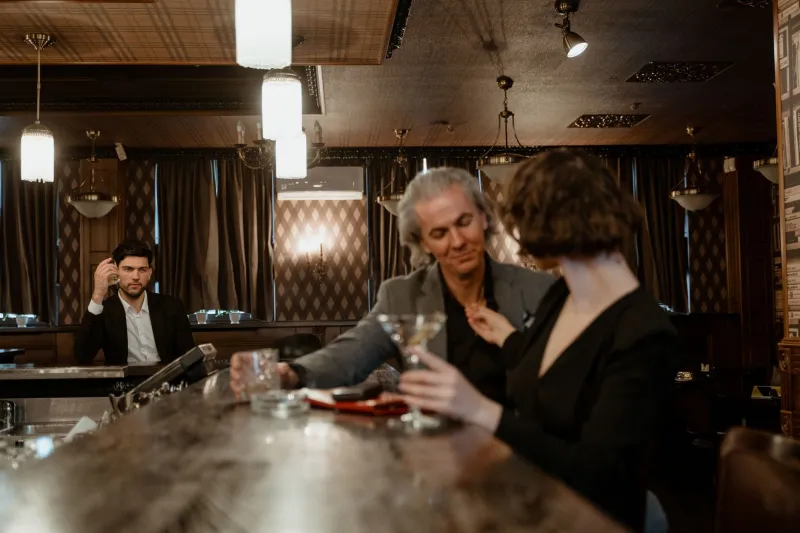
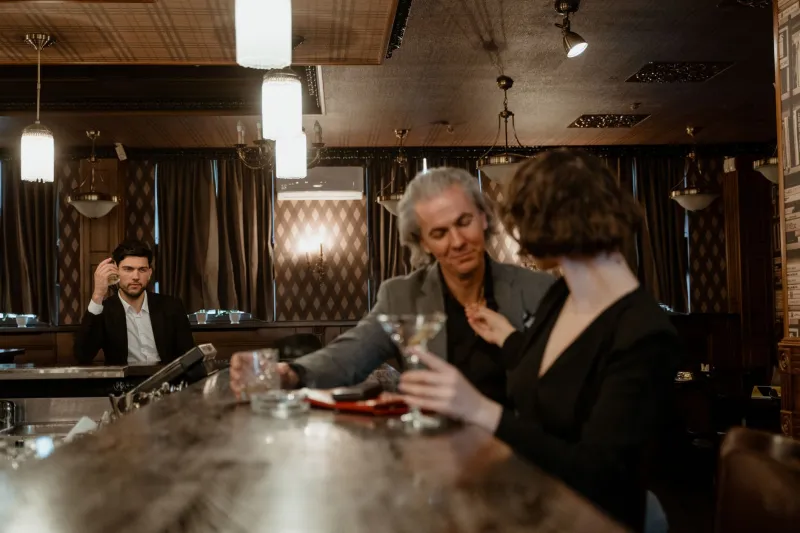
Photo: cosy UK cocktail lounge early evening warm lamplight dark window outside November, via cdn.hdtoday.business
There’s a particular kind of quiet that settles over a UK lounge at half four in November. The windows are still doing their best impression of daylight, but the sky outside has already gone the colour of a used teabag. Inside, someone has just flicked the first lamp on — not the overheads, never the overheads — and the room seems to exhale. It’s too early for the Friday crowd and too late for lunch. The dark has arrived, and the night hasn’t quite started. That gap is the whole point.
The Hour Nobody Plans For
Most people treat 4:30pm as a transit zone: still at work, on a train, or staring at the fridge wondering if it’s acceptable to open a beer. But in a lounge with good bones, it’s a genuine shift change. The daylight that made the room feel like a café is fading, the lamps are taking over, and the staff are moving at a different pace — slower, more deliberate, like they know the room is about to change costume.
In 2026, with so many of us working odd hours and booking tables by app, the early-dark window is easier to miss than ever. You can arrive at six and find the room already fully formed, the playlist up, the bar three deep. Arrive at half four and you get to watch it happen. That’s not a small thing. The first twenty minutes of a lounge’s evening set the tone for everything after, and being there for the reset is like getting a seat at the soundcheck.
Watch the Windows, Not the Clock
The first thing to read is the glass. In summer, a window table is a prize. In November, it’s a front-row seat to your own reflection. As the light drops, the window stops being a view and becomes a mirror — and suddenly everyone in the room is watching themselves order a drink. That’s your cue to move.
The best seats in the half-four hour are the ones slightly back from the glass: a banquette against a wall, a corner table near the lamp rather than the window, anything that puts a bit of distance between you and the dark outside. You want to be lit by the room, not by the street. If the lounge has a back area or a snug, this is the moment it earns its keep. The front of house will feel like a bus shelter for another twenty minutes; the back will feel like a living room.
Where to Sit When the Room Is Half Lit
Table choice at this hour is less about status and more about temperature — both literal and social. A seat near the door gets the draught and the delivery drivers. A seat under the first lamp gets the warmth and the good shadows. If you’re with one other person, take the small table. If you’re solo, take the bar if there’s a corner of it that isn’t a thoroughfare. The bar at half four is a different animal from the bar at nine: the barman has time to talk, the stools are still warm from the afternoon, and you can hear yourself think.
Avoid the table that’s still catching daylight from the window and lamplight from above. That double-lighting makes everyone look slightly green and makes the room feel like a waiting area. You want one source of light doing the work, and you want it to be the lamp.
Your First Drink Has a Deadline
The half-four drink is not the same as the six o’clock drink. It needs to bridge the gap between afternoon and evening without committing to either. A heavy stirred cocktail at 4:30 can feel like a mistake by 5:15; a light spritz can feel like you’re still at lunch. The sweet spot is something long, low in alcohol, and slightly warming — a good vermouth and soda, a weak negroni, a highball with a bit of spice. If the lounge has a house aperitivo, this is what it’s for.
Order it before the lamps are fully on. There’s a ten-minute window when the bar is quiet and the staff are still in setup mode, and that’s when you get the best version of whatever you ask for. Once the post-work wave arrives, the bar shifts into service speed and the drinks get faster, not worse, but less considered. The first drink of the night should feel considered.
The Service Tells You Everything
Watch how the staff handle the transition. A good lounge will start dimming the lights in stages, not all at once. The music will come up by a notch — not enough to notice, just enough to fill the gaps. Someone will light a candle or two. The menu might get swapped from the daytime card to the evening one. If none of this happens by five o’clock, you’re in a room that hasn’t decided what it is yet, and you should plan your exit accordingly.
The other tell is the door. At half four, the door should be opening every few minutes with people who look like they’ve just left work: coats, bags, a certain hunted expression. If the door stays shut until six, you’ve found a late-night lounge, not an early-dark one. That’s useful information. It means you can settle in for a slow hour, but it also means you shouldn’t expect the room to entertain you yet.
When to Leave, When to Stay
The half-four hour has a natural end. Around five-thirty, the room either fills or it doesn’t. If it fills, you’re in the middle of the evening now, and you can either stay and let the night carry you or finish your drink and slip out before the coats pile up. If it doesn’t fill, you’ve got a rare thing: a lounge that’s quiet on a dark night, with lamps on and nowhere to be. That’s the night to order a second drink and a small bowl of something salty.
Either way, the point is to notice the shift. Britain’s early-dark months get a bad reputation — too dark, too cold, too much Christmas music too soon. But they also give us this strange, in-between hour when a lounge is at its most honest. The lights are on, the doors are open, and the night hasn’t made any promises yet. Half four is when you get to decide what kind of evening it’s going to be.