The Menu Is a Map: How to Read a Cocktail List Like Someone Who Knows the Room
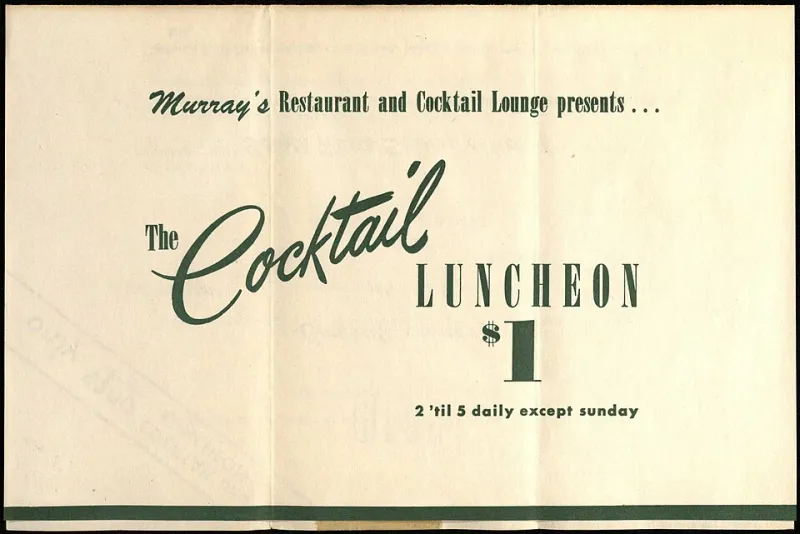
Photo: , Public domain, via Wikimedia Commons
A cocktail menu is not just a list of drinks. It is a set of instructions, a mood board and a price ladder all at once. In a good UK lounge, the menu tells you what the bar is proud of, how it wants you to drink, and how much of the evening it expects you to remember. The trouble is that most of us skim it in about forty seconds, panic slightly, and order the same safe thing we always order. That is not a tragedy, but it is a missed opportunity.
Reading a cocktail list properly does not mean turning into a drinks bore. It means noticing a few structural clues before the first sip. Think of it as reading the room through the menu.
Start With the Structure, Not the Names
Most modern cocktail menus are organised into sections: house signatures, classics, spritzes, low-and-no, perhaps something stirred and something long. That structure is the first thing to read. A long signature list suggests a bar that likes invention and probably has a strong prep kitchen. A short list with a handful of classics suggests confidence and efficiency. Neither is better; they are different promises.
House signatures are the bar’s calling card. They often use house-made cordials, infused spirits or a particular technique, and they are usually where the team’s personality sits. Classics are the opposite: they are a test of execution. If a bar can make a clean Martini or a well-balanced Daiquiri, you can trust the rest of the list. If the classics section is thin or absent, that is not necessarily a red flag, but it does tell you where the emphasis lies.
The Price Ladder Is Not Just About Money
Prices in a UK cocktail lounge usually form a ladder, and the rungs are not random. The cheapest drinks are often long, low-ABV or built around one spirit. The middle is where most of the value sits. The top end usually reflects premium ingredients, extra labour, aged spirits or a bit of theatre.
The mistake is assuming the most expensive drink is the best one for you. It might be. But it might also be a slow, spirit-forward sipper that is entirely wrong for a Tuesday-night catch-up. A mid-priced house signature is often the sweet spot: enough craft to feel like a treat, enough pace to keep the evening moving. If you are ordering for a group, a mix of price points is not stingy. It is sensible.
ABV, Ice and Glassware Are Quiet Instructions
A cocktail menu rarely says “this will slow you down” in plain English, but it tells you anyway. A stirred drink served in a coupe or a nick and nora is usually strong and sipped slowly. A tall drink over ice is usually longer, lighter and faster. A spritz is designed for exactly the kind of evening where you want a drink in your hand without the room starting to spin.
Ice is a clue too. A drink served “over a large cube” is built for slow dilution. A drink served “up” is chilled and ready to go. A highball is refreshing by design; a martini is not. If you want to pace yourself, order a long drink first and a short one later. If you want to make a night of it, start with something lower in alcohol and finish with something stirred. The menu will usually give you enough to make that call.
Signatures, Classics and the Art of Asking
The best way to order from a cocktail menu is to use it as a starting point, not a script. If a signature catches your eye but you are not sure about the flavour, ask. Bar teams are used to questions and generally enjoy them. “What is this one like?” is a perfectly good opener. “I usually drink negronis but I fancy something lighter” is even better.
If you are stuck, the classics are your friend. A Daiquiri, a Margarita, an Old Fashioned, a French 75: these are not boring. They are benchmarks. A good bar will make them properly, and ordering one tells the team you know what you like. From there, you can ask what they would recommend as a next step.
Low and No Is Not an Afterthought
The low-and-no section has improved enormously in UK bars over the past few years. It is no longer a choice between sugary mocktails and a sad glass of tonic. Good lounges now stock proper alcohol-free spirits, sherry, vermouth and sophisticated blends that give you something to sip rather than something to endure.
If you are pacing yourself, a low-ABV drink is often the smartest order on the menu. A spritz, a sherry highball or a vermouth serve can keep you in the rhythm of the night without tipping you over the edge. Do not treat these drinks as a consolation prize. Treat them as part of the list.
Match the Menu to the Energy of Your Night
A cocktail list is not a test. It is a tool. If you are at the start of the evening, a long, bright drink is your friend. If you are in the middle of a proper dinner, something stirred and seasonal will hold its own. If you are on the last round, a small, strong drink or a low-ABV nightcap might be exactly right.
Order in rounds that make sense. Mix a signature with a classic. Ask for a glass of water alongside. Let the bar guide you if you are unsure. The menu is there to be read, not obeyed. And the best drink on the list is usually the one that matches the night you are actually having, not the one you think you should be having.