The Second-Bar Test: Finding a Late Lounge That Saves the Night
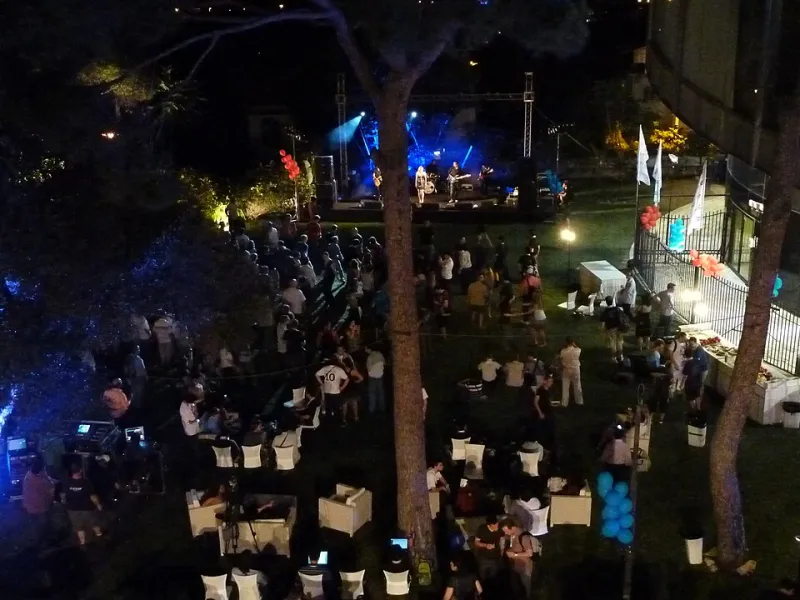
Photo: deror_avi, CC BY-SA 3.0, via Wikimedia Commons
Ten o'clock is where a night out shows its hand. The first bar has done its job: you have had a drink, maybe two, and the conversation has loosened. Then something fizzes out. The music tips from lively to loud. The queue at the bar stops moving. Someone suggests one more here and everyone looks at their shoes. You are not ready to go home. You are ready for the pivot.
The 10pm pivot is not about panic. It is about reading a room quickly, choosing a second venue with intent and knowing what to order when you walk in. Get it right and the night finds a second wind. Get it wrong and you spend twenty minutes on a pavement arguing about whether the place with the neon sign looks desperate.
Read the doorway before you read the menu
Stand outside for a moment. Not in a dramatic way, just long enough to take in three things: sound, light and sightlines. A good late lounge usually gives you a warm wash of light, a hum of conversation and a clear view of where you might sit. If the music is already at hen-party volume and the door is a black hole, you are allowed to keep walking. If the windows are so bright you can see everyone checking their phones, it may be more café with a late licence than the lounge you want.
Door staff tell you plenty, too. A calm welcome is a good sign. A clipboard and a queue when half the room looks empty is not. You are not asking for a red carpet. You just want to feel like a person entering a room, not a problem being processed.
The ninety-second scan
Once inside, do a quick scan before you commit to a table. Look at the bar: are staff making drinks with a bit of rhythm, or staring into the middle distance while a ticket printer screams? Look at the tables: are people settled, talking, leaning in, or are they perched on stools with coats still on? Look at the glassware being carried past. A decent lounge will have proper glassware for the drinks it sells, and you can usually spot a wet, overfilled glass from across the room.
Also check the seating mix. A late lounge should give you options: a quiet corner for a proper catch-up, a perch for two, a bigger table for the group that keeps growing. If every seat is a backless stool at a ledge, the room is telling you it wants you to drink quickly and leave. That can be fine for a pit stop, but it is not the second wind you are after.
Your first order is a handshake
When you arrive at a new lounge at 10pm, do not order the most complicated thing on the list. Your first drink is a handshake, not an exam. A house highball, a bottled beer, a glass of something crisp or a simple stirred drink tells you a lot: how fast the bar works, how cold the drink arrives, whether the ice is doing its job and whether the staff seem pleased to see you.
If you are ordering a cocktail, keep it in the lane the bar clearly cares about. A lounge with a short list of six drinks probably makes those six very well. A menu the size of a novel at 10pm is a warning sign. Ask what is moving tonight. Bar staff will usually point you towards the drink they are proud of, and that is a better guide than the laminated page with the passionfruit foam.
Timing is part of the drink
In the UK, the second-venue moment often runs against the last train. Know your exit before you settle in. A lounge that is a ten-minute walk from a station is a different proposition from one that needs two buses and a prayer. If you are staying late, check whether the kitchen is still open, whether the bar switches to a reduced list after 11pm and whether the room clears out at a certain hour. None of this is admin. It is the difference between a relaxed night and a stressful dash.
The signals that say stay or go
Stay if the room feels managed rather than packed. Stay if you can hear the person next to you without shouting. Stay if the first drink arrives cold, balanced and in a glass that fits it. Stay if there is water on the table without asking.
Go if the only seats are under a speaker the size of a suitcase. Go if the bar is three deep and nobody seems to be serving. Go if the door staff are herding people like cattle and the toilets are already a state at 10.15pm. Go if the menu is sticky, the air is hot and the whole place smells faintly of mop. None of these things improve with a second drink.
The underrated skill
We talk a lot about choosing the first bar of the night. The second bar is harder. The first is full of possibility; the second has to deliver. It has to match the mood you have arrived with, not the mood you had at 7pm. That is why the 10pm pivot is such a useful skill. It is not about being fussy. It is about protecting the night from a room that has already lost interest.
So when the first bar fizzles, do not mourn it. Put your coat on, walk twenty metres, and use the doorway as your first question. The right late lounge will not need to shout about itself. It will have a light on, a seat free and a cold drink ready. That is usually all the second wind you need.