Twelve Minutes to the Platform: Designing a Late Lounge Night That Ends Calmly
Nobody remembers the fifth drink. Everybody remembers the run.
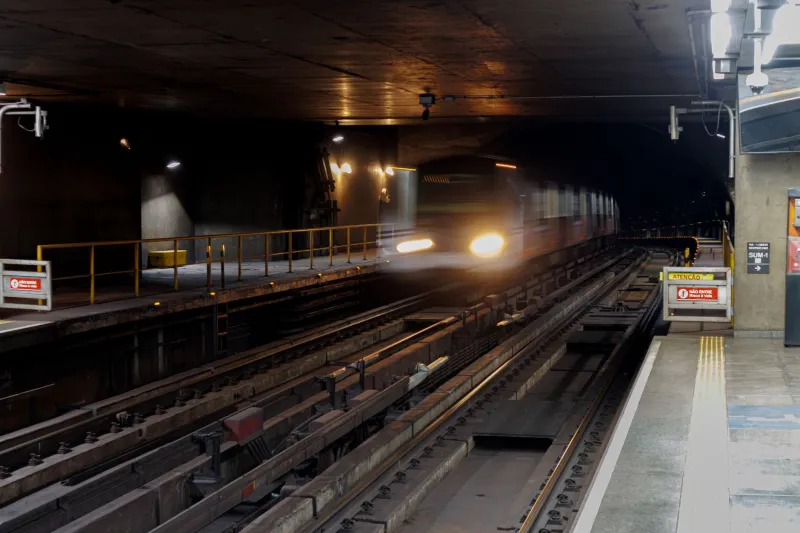
The sprint down a station approach at 23:36, coat half on, phone torch on, one person shouting platform numbers at a group that has stopped listening — that's the bit that sticks. Not the negroni, not the booth, not whatever the DJ was doing at half ten. And yet most nights out in the UK are planned entirely around the venue and hardly at all around the journey home.
This is the case for working the other way round. Plan the train first, then the drinks.
Start With the Timetable, Not the Cocktail List
Before you open a drinks menu, open a journey planner. Look up the actual final service from the station nearest your shortlist — not the one you assume exists. Last trains are earlier than most people think, and noticeably earlier on a Sunday, which is where a lot of otherwise well-organised Saturday nights quietly fall apart.
Check the real details while you're there: is it a rail replacement bus for part of the route, does the last service go to your station or only to the one two miles away, and is there a genuinely usable fallback? The Night Tube on Friday and Saturday covers a slice of London and very little else. Night buses exist in most big cities and are slower than you remember. Coaches are cheap and leave from places you have never been to at that hour.
The point isn't to plan a military operation. It's to know, before you've had a drink, whether this is a train night or a taxi night. Those are two different evenings and they cost different money.
The Booking Time Is the Whole Trick
Work backwards from the platform. A ten-minute walk to the station becomes fifteen when it's raining and someone needs cash. Add a buffer of ten minutes for ticket machines, barriers and the friend who has lost a cardigan.
Say the last train is 23:41. You want to be walking out of the lounge at 23:05. A 19:30 booking gives you three and a half hours — enough for three drinks, something salty, and a conversation that actually finishes. A 21:00 booking gives you two hours and a permanent eye on the clock.
Most UK lounge bookings run in two-hour slots, and plenty of venues will happily take a second sitting request if you ask at the time of booking rather than at 21:55 when the next party is hovering. Ask early. It's a small question that changes the shape of the night.
Keep the Shortlist Walkable
When you're choosing between venues, the distance to the platform is not a boring detail — it's part of the experience. A lounge five minutes from Leeds, Manchester Piccadilly, Birmingham New Street, Bristol Temple Meads or Glasgow Central gives you something genuinely valuable: permission to relax at 22:50.
There's a sweet spot here. Too far and you're leaving early to fund a taxi. Too close — the bar with a departure board over the till and a pint-and-a-pasty crowd — and the room never quite lets go of the commute. You want the place where the walk is short but the atmosphere isn't a concourse.
Pace It Like You Mean It
A three-drink night is not a lesser night. It's a night with a shape.
Order the long, cold, easy drink first while everyone is still deciding who they are this evening. Move to something stirred and slower once the table has settled. Third drink: something small, something low in alcohol, or a proper coffee depending on how the last half hour is looking. Water arrives with the first round, not as a penance at the end.
And eat at the ninety-minute mark rather than at ten to eleven. Snacks ordered late arrive late, get eaten standing up, and turn a controlled exit into a scramble. Order the second round of food when you order the second round of drinks, and the whole thing stays level.
The Last-Round Trap
It nearly always happens the same way. Someone orders a round at 22:52. The drinks land at 22:58. Nobody wants to be the person who leaves a full glass. Now you're drinking against a clock and the conversation has turned into maths.
The fix is a decision made at the start, out loud, once: "We're on the 23:41." Not a debate at the end — a fact at the beginning. Groups are remarkably good at pacing themselves when the deadline is shared. If the night is going too well to stop, that's fine — but make it a deliberate choice to move to taxis, not a discovery at the barrier.
Leave While the Room Is Still Good
There's a strange pride in being there when the lights go up. It's misplaced. The last twenty minutes of a closing bar — chairs on tables, staff stacking glasses, a playlist that has given up — is not the memory you want from the evening.
Leaving at 23:00, when the room is still loud and the night is still going without you, is a far better ending. You take the atmosphere with you instead of watching it be dismantled.
The Two-Minute Version
A few small things make the exit effortless:
- Ask for separate tabs when you sit down, not when you're standing up.
- Keep the coat near the door rather than under three bags at the back of the booth.
- Have a card ready and know who is paying for what.
- Check the platform before you leave the bar — not at the barrier.
- Ask the staff for a taxi if plans change. Good venues do this constantly and are good at it.
What the Test Actually Measures
A late lounge night should end with you on a train, warm, slightly smug, and already half-planning the next one. Not breathless on a platform, not negotiating a surge fare, not quietly calculating whether a rail replacement bus counts as an adventure.
Choosing a venue that respects the journey home isn't a compromise on the night out. It's what makes the second drink feel unhurried in the first place.