What Your Ice Says Before the Cocktail Does
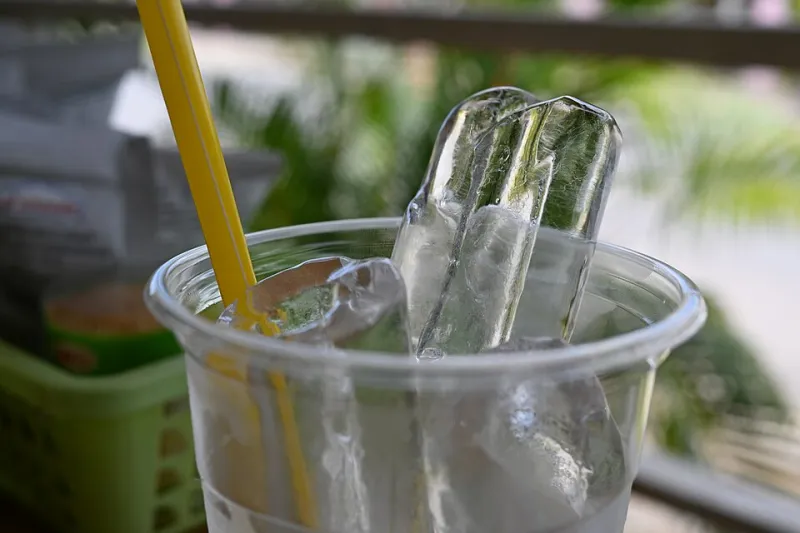
Photo: PattayaPatrol, CC BY-SA 4.0, via Wikimedia Commons
In 2026, the most interesting thing in a serious UK cocktail bar is often the thing you cannot taste on its own. Ice is water, yes. But it is also engineering, storage, budget and a quiet statement of intent. A bar that cares about ice tends to care about the drink it lands in.
For years, ice was the bit of the drink nobody discussed unless it was bad. Now it is part of the conversation, from the clarity of a single cube in a stirred drink to the way crushed ice settles around a highball. You do not need a laboratory to notice the difference. You just need to know what you are looking at.
Ice is an ingredient, not a garnish
A cocktail is a balancing act between spirit, sweetness, acidity and water. Ice is the water. It chills the drink and, as it melts, it opens the flavours and softens the edges. Too little ice and a drink feels hot and sharp. Too much wet, cloudy ice and it turns thin and sad in minutes. Good ice gives you control over the speed of that change.
The shape matters because surface area matters. A large cube melts slowly, so a spirit-forward drink can stay cold without becoming watery too quickly. Crushed ice melts fast, which is why it suits drinks that want to be bracing, textured and very cold from the first sip. A long spear in a highball is not decoration; it is a way to chill a tall drink without flooding it.
The clear cube and the directional freeze
Clear ice has become a shorthand for care, but clarity is not the whole point. Cloudy ice often contains trapped air and impurities, and it can crack and melt unevenly. Clear ice is usually made by freezing water slowly and directionally, often in an insulated container so the freeze moves from one side to the other. That pushes air and impurities to the bottom, leaving a dense, clear block that can be cut into cubes or columns.
This is why a clear cube can look almost like glass. It is denser, it melts more evenly and it looks better in the glass. But the real test is not how it photographs. It is how the drink tastes after five minutes. A clear cube that has been stored badly, handled with warm hands or left sitting in a puddle is still bad ice.
Crushed ice changes the clock
Crushed ice is the opposite approach. It is all surface area, so it chills a drink fast and dilutes it quickly. That is not a flaw if the drink is built for it. A swizzle, a smash or a tall fruit-forward serve can benefit from that rapid chill and the texture of ice moving in the glass. The danger is when crushed ice is used as a shortcut for proper chilling. If a drink is watery before it reaches the table, the ice was not managed well.
Good crushed ice should look like a mound, not a puddle. It should be cold, dry enough not to clump and fresh enough not to taste of the freezer. If the glass is half full of meltwater before you have taken a sip, the bar is not in control of its ice.
Dilution is not a flaw
People often talk about dilution as if it is a mistake. It is not. A stirred cocktail is meant to change in the glass. The skill is in deciding how much change should happen and how quickly. A large, clear cube in a negroni or an old fashioned gives you a slow, steady dilution that keeps the drink cold and generous. A smaller cube or a warmer glass will push the drink towards watery much sooner.
This is why the ice programme matters more than the ice itself. It is about matching the ice to the drink, storing it properly and using it consistently. A bar that has one bag of supermarket ice for every serve is not making a judgement about your drink. It is just trying to get it out of the door.
What a serious ice programme signals
A thoughtful ice programme signals several things at once. It says the bar has invested in equipment and space. It says the staff have been trained to handle ice without wasting it. It says the menu has been designed with dilution in mind, not just flavour. And it says the bar understands that a cocktail is a living thing that changes from the first sip to the last.
You can often feel this before you can explain it. The drink arrives cold but not bruised. The ice looks clean and fits the glass. There is no puddle on the table after ten minutes. The second half of the drink is still pleasant, not just cold water with a memory of gin.
How to spot good ice without asking to see the freezer
Start with the glass. A clear cube should look clear, not foggy. A crushed mound should sit above the liquid, not dissolve into it immediately. A highball should have ice that reaches the top, because a tall drink with two small cubes will warm up fast.
Listen, too. Ice dropped into a glass should crack and ring a little. A wet thud suggests soft, wet ice. Look at the surface of the drink. If there are big shards floating around and the glass is already wet on the outside, the bar may be rushing. Check the bar top: tongs, scoops and a proper ice well are good signs. Ice stored in a puddle or handled with bare hands is not.
And taste. If a drink is well made but turns thin in three minutes, the ice is part of the problem. If it stays cold and balanced to the last mouthful, someone has thought about it.
The UK angle: small rooms, big energy bills
UK bars do not always have the space for a separate ice room or a band saw. Rents are high, cellars are awkward and energy costs are real. That is why a good ice programme is not about showing off. It is about making smart choices in a small space: a dedicated freezer, a clear ice mould, a proper crusher and staff who know how to store ice without it picking up smells from the kitchen.
The best UK lounges often do more with less. They might use one large cube for stirred drinks, a single spear for highballs and crushed ice only where it belongs. That is not a compromise. It is a considered way of working.
What to order if you want to test the ice
Order a spirit-forward drink if you want to see how a bar handles a large cube. Order a highball if you want to see how it manages a long, cold serve. Order something with crushed ice if you want to judge texture and speed. Do not interrogate the bartender about freezing points. Just pay attention to how the drink changes.
A good cocktail should not need a lecture. The ice will tell you what you need to know: whether the bar is thinking ahead, whether the drink was built to last and whether the person behind the stick sees ice as water or as part of the craft.