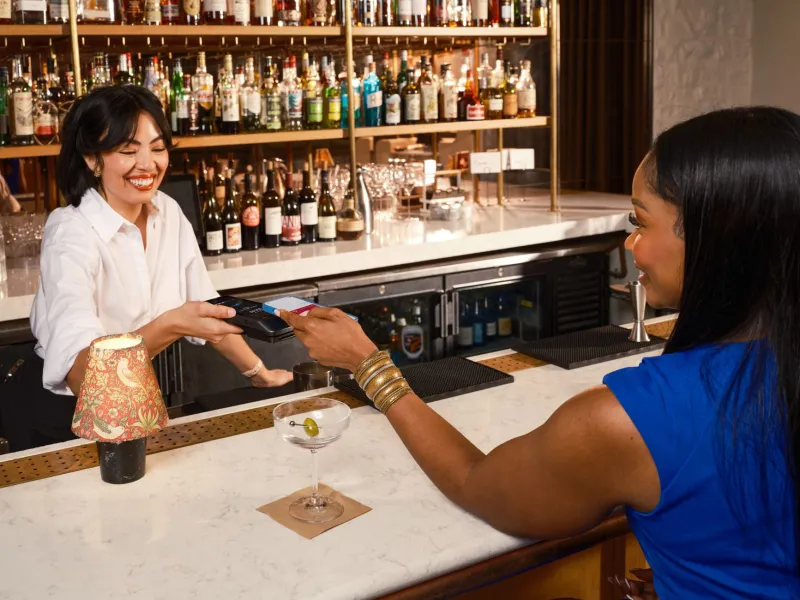
Before You Put Down the Card: How to Read a Lounge Table Booking Properly

The confirmation email lands at 4:47pm on a Friday. You’ve got the table. You’ve also got three paragraphs of terms, a card authorisation and a number followed by “per person” in bold. None of it is sinister. It’s just the shape of the booking — and it’s much easier to deal with now than at 11:40pm when the bill arrives and everyone suddenly needs the loo.
Booking a lounge table for a proper night out should feel like the start of something, not the first round of a negotiation. The trick is to read the small print while you’re still excited, ask a few friendly questions, and get the answers in writing. Here’s how to do it without turning into the group’s self-appointed auditor.
Start with the number that follows “minimum”
A minimum spend is usually the amount your group needs to put behind the bar or on the food menu to keep the table. It might be per person or per table, and those are very different things. Six people at £25 each is £150. Six people at a £150 table minimum is the same number — but if two people drop out, only one of those bookings still makes sense.
Ask three questions before you pay anything:
- Is the minimum spend per person or per table?
- Does it include food, or drinks only?
- Is it calculated before or after the service charge?
That last one catches people out. A £30 per person minimum with 12.5% service added is not £30 per person. It’s £33.75 before you’ve ordered the extra olives. A good venue will spell this out. If it doesn’t, ask them to confirm by email.
A deposit is not always a deposit
In UK lounge bookings, “deposit” can mean at least three different things: a prepayment that comes off your final bill, a refundable holding fee, or a booking fee that doesn’t come off anything at all. They’re all legitimate — they’re just not interchangeable.
Ask: “Is this amount deducted from the final bill, and is it refundable if we cancel within the window?” If it’s a card pre-authorisation rather than a charge, ask when the hold is released. Some venues release it within a few days; others take longer. That’s useful to know if you’re booking on a debit card and watching your balance.
If the deposit is non-refundable, treat it as the cost of the table rather than a surprise. It’s only a problem when you thought it was coming back.
The cancellation window is the real booking
Most lounge bookings have a deadline — often 48 or 72 hours before — after which the deposit is kept or a cancellation fee applies. The exact wording matters. “48 hours’ notice” can mean two clear working days, or it can mean by 6pm two days before. Ask for the specific date and time, then put it in the group chat with the booking details.
Also ask what happens if your numbers change. Can you reduce the table from ten to eight without losing the deposit? Does the minimum spend drop with the headcount? If the answer is “the minimum stays the same”, that’s fine — you just need to know before you’re standing at the door doing mental arithmetic.
Read the service charge line twice
The phrase “discretionary service charge” is doing a lot of work on UK bills. In practice, many venues add 12.5% automatically for larger tables, and some add it to everything. It is still discretionary, but you may need to ask for it to be removed rather than assume it won’t appear.
For planning purposes, ask whether service is included in the minimum spend or added on top. If you’re booking a set package — say, two cocktails and a plate of small plates per person — check whether service is already in the price. Nobody wants to discover the difference between “£35 per person” and “£35 per person plus service” when the card machine is already out.
Send the questions before you pay
You don’t need a legal checklist. A short, friendly email is enough:
“Hi — before we confirm the table for eight on Saturday, could you just confirm: is the £30 minimum per person or per table? Is it before or after service? Is the £50 deposit deducted from the final bill? And what’s the exact cancellation deadline?”
That’s it. If the answers come back clear, book with a light heart. If they come back vague, ask again. A venue that hosts good nights out will not mind. A venue that minds is telling you something useful.
The bill moment, prevented
On the night, ask for a running total halfway through. It’s not awkward — it’s sensible. If you’re splitting the bill, agree how before the first round lands: evenly, by what people ordered, or with the minimum spend covered first. Keep the confirmation email on your phone. And if the service charge appears and you weren’t expecting it, ask politely. That’s what discretionary means.
The small print isn’t there to catch you out. It’s the shape of the evening: how many people, how much, by when. Read it once, ask twice, and then get on with the important part — the first drink, the good table, and the bit where the night actually starts.