The Card Machine Pause: Tipping in UK Lounges Without the Guesswork
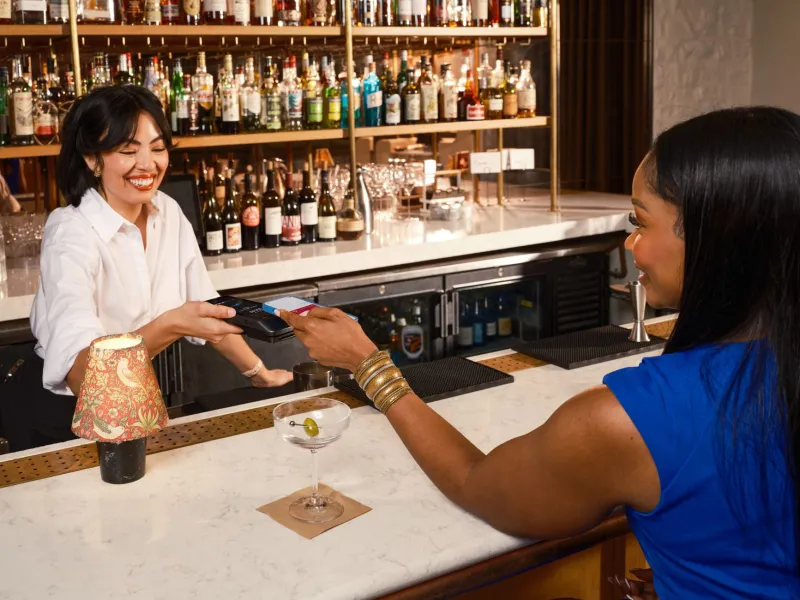
There is a particular pause that happens in a UK lounge at about 11.40pm. The drinks are finished, the coats are on, and the card machine appears with its little screen of percentages. Everyone looks at it as if it has asked a personal question. Tipping should not be a personality test. It is a small transaction, and like most small transactions it goes better with a bit of thought beforehand.
Read the bill before you read the room
First thing: check whether service is already on the bill. In many UK lounges, a discretionary service charge of around 10 to 12.5 per cent is added for table service or groups. It is not a law of physics. If it is there, you have already tipped. Adding another 10 per cent on the card machine is not generous; it is paying twice. Ask for the charge to be removed if service was genuinely poor, but do it quietly and specifically. A calm word about a forgotten round is more useful than a loud sermon at the door.
If there is no service charge and someone has looked after your table for three hours, 10 per cent is a fair default. At the bar, the maths changes. You are not expected to tip every round. Rounding up to the nearest pound, or adding a pound on a complicated cocktail order, is plenty. Nobody is keeping a ledger of your £1 coins.
The bar, the table and the difference
Bar service is quick, transactional and often already priced for it. Table service is slower, more personal and involves someone returning to your table when they could be doing something else. That is the rough logic. A tenner on the bar at the start of a big night is not a bribe, but it can be a sensible gesture if you are asking for a lot of drinks in a busy room. It is also not compulsory. If the card machine prompts you at the bar, you can choose the no-tip option without an explanation. The person serving you will not remember in ten minutes.
For table service, 10 per cent is the sensible middle. For a group booking with a set menu or a long tab, check the service charge first. If it is already included, leave it. If it is not, agree with your group before the bill lands. The worst tipping conversations happen when everyone assumes someone else has handled it.
Cash, card and the awkward screen
Card machines have made tipping more visible and more awkward at the same time. The screen offers 10, 12, 15 per cent, or a custom amount, and the queue behind you can see your finger hover. Ignore the queue. Say the number you want before you tap, or press no tip with the same confidence you would use to order a drink. There is no performance to give.
Cash is still useful for small tips, especially if you want to leave something on the table without adding to the bill. But cash is not a moral high ground. A card tip is fine. A cash tip is fine. A tip is not a membership fee for the room.
If you are running a tab, ask for an itemised bill before you pay. It is not suspicious; it is sensible. Check the service charge, check the rounds, and check whether the last drink was actually yours. The card machine is easier to face when you know what you are paying for.
Open a tab with a plan
A tab is a convenience, not a personality. Give the card, ask whether the bar can keep it open, and set a rough limit in your head. If you are in a group, nominate one person to close it. That person should not be the drunkest, the most polite, or the one who always ends up paying. Take turns. A tab that runs until 2am with no checkpoints is how friendships get tested by a £340 bill.
Ask for a midway total if you are unsure. Most bars will happily tell you. If the service charge is automatic, factor it in before you split. If you are splitting evenly, say so at the start. If you are splitting by what people drank, say that too. The only bad system is the one nobody mentions until the card machine is already in someone's hand.
Groups, rounds and the late-night maths
Groups are where tipping gets messy. A 10 per cent service charge on a table of eight is not outrageous; it is the cost of someone bringing eight drinks to the right table without dropping them. If the charge is already there, do not double it. If it is not, a shared 10 per cent is fair. Put it in the group chat before the night, not after.
Rounds are simpler. If you are buying rounds at the bar, tip by the round or not at all. There is no need to tip every single drink. Late at night, when the bar is three deep and the music has got louder, a pound here and there is a kindness, not a rule. A tenner on the bar at the start can smooth a busy night, but only if you can afford it and only if it will not make the rest of the table feel they have to match you.
The sensible house rule
Here is the rule I would put on a small card behind every UK lounge bar: check the service charge, tip 10 per cent for good table service, round up at the bar if the mood takes you, never tip twice for the same job, and keep the tab visible. That is it. It is not stingy and it is not performative. It is just fair.
The card machine will still pause. But you do not have to. Pay what you mean, say thank you, and leave the tenner for the nights when someone has genuinely earned it.