The Small Sweet Finish: Why the Last Drink Deserves Its Own Order
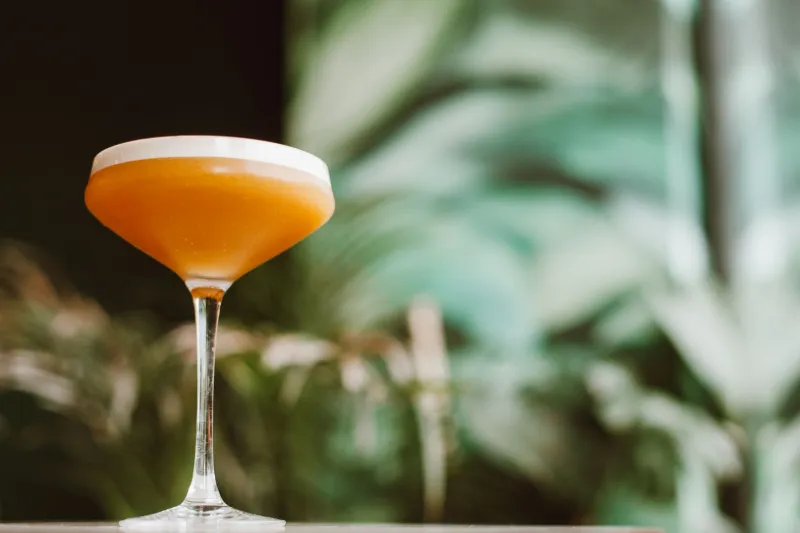
There is a particular moment in a UK lounge night when the table goes quiet, someone checks the time, and the last round becomes a group decision made badly. Either nobody orders anything and the night fizzles out on a flat note, or someone comes back from the bar with four enormous espresso martinis and a look of quiet triumph. Both are avoidable. The better ending is smaller, sweeter and a lot more deliberate: a proper dessert cocktail, ordered before the coats come out.
This is not about turning the end of the night into a second dessert menu. It is about giving the final drink the same thought you gave the first one. Done properly, a small sweet serve slows the exit, settles the table and gives the evening a shape. Done badly, it is a sugar bomb at 11:40pm and a taxi home with a headache.
The last-round problem
The final round is usually a reflex. The app is open, the bar is three deep, and everyone orders the same thing they have been drinking all night. That works for a session, but it makes for a scrappy ending. A dessert cocktail is different: it is a course, not a round. It asks you to stop, read the menu one more time and choose something you would not drink at eight o’clock.
The trick is to treat it as a small, separate event. One drink, shared or nursed, with a glass of water alongside. It is the difference between a proper close and simply running out of steam.
Pudding in a glass versus an after-dinner drink
British lounge menus have leaned hard into the sweet stuff in recent years. Salted caramel espresso martinis, sticky toffee pudding riffs, chocolate-orange numbers with a cream float. Some are excellent. Many are puddings with a kick, and they are served in portions big enough to count as a third course.
A proper after-dinner drink is usually smaller, more bitter and less creamy. Think a 50ml pour of tawny port, a chilled amaro, a small madeira, a sweet vermouth over ice, or a short amaretto sour in a rocks glass. These are drinks that happen to be sweet, not desserts that happen to contain alcohol. They finish the palate rather than flatten it.
That is the distinction to hold onto when you are reading the menu. If the description includes the words ‘cream’, ‘sauce’, ‘crumble’ and ‘freakshake’, you are ordering pudding. If it mentions bitterness, citrus peel, coffee, dried fruit or a specific small serve, you are closer to an after-dinner drink. Neither is wrong. You just need to know which one you are getting.
Timing is the whole game
The dessert cocktail works best in the ten or fifteen minutes before you actually plan to leave. Order it too early and it becomes another round; order it as the lights go up and it is a rushed, melting mistake.
A useful rule: order it when the conversation has naturally slowed and the table has stopped checking the drinks menu. That is usually when someone says, ‘One more?’ and nobody really means a full pint. That is your window. Ask for the small sweet thing, take your time, and let the night end on a high rather than a scramble for the 23:14.
If you are on a train deadline, say so at the bar. A good bartender will steer you towards something quick to make and quick to drink — a small pour of something fortified, perhaps — rather than a five-minute espresso martini build.
Share it, or at least offer
A full-size dessert cocktail is often too much for one person at the end of the night. Sharing one between two is not stingy; it is sensible. Ask for two small glasses or a couple of side glasses and pour it out yourself. Most UK lounges will do this without blinking.
Sharing also solves the group problem. One person orders the sticky sweet thing, someone else orders a small amaro, and the table gets a bit of both. It turns the last drink into a conversation rather than a commitment.
How to read the menu without a lecture
Scan for size cues first. Words like ‘mini’, ‘petite’, ‘50ml’, ‘small serve’ or ‘dessert measure’ are your friends. If the only sweet drink on the list comes in a coupe the size of a cereal bowl, it is probably a pudding in disguise. That does not make it bad, but it does mean you should order it earlier and share it.
Next, look for a bitter or acidic edge. A little bitterness — from coffee, citrus peel, tonic or an amaro — stops the drink from turning into pure sugar. A small sweet drink with a bitter finish leaves you feeling finished rather than floored. A creamy, syrupy drink with no edge is the one that makes you want to go straight to bed.
Finally, ask. Bar staff know which of their sweet drinks are small, which are serious and which are essentially a dessert. A simple ‘What is your smallest sweet drink?’ is a perfectly normal question and usually gets you a better answer than the menu.
The last word
A lounge night does not need a big finish. It needs a clean one. A small, sweet, strategic drink — ordered at the right time, shared if necessary, and chosen with an eye on the sugar — gives the evening a proper full stop. It is the difference between leaving because you have had enough and leaving because you have had exactly the right amount.
So next time the table starts to drift, do not default to the same round. Ask for the small sweet thing. Let it be the last word, not the last straw.