Twelve Quid, Properly Read: What Makes a Lounge Cocktail Worth the Money
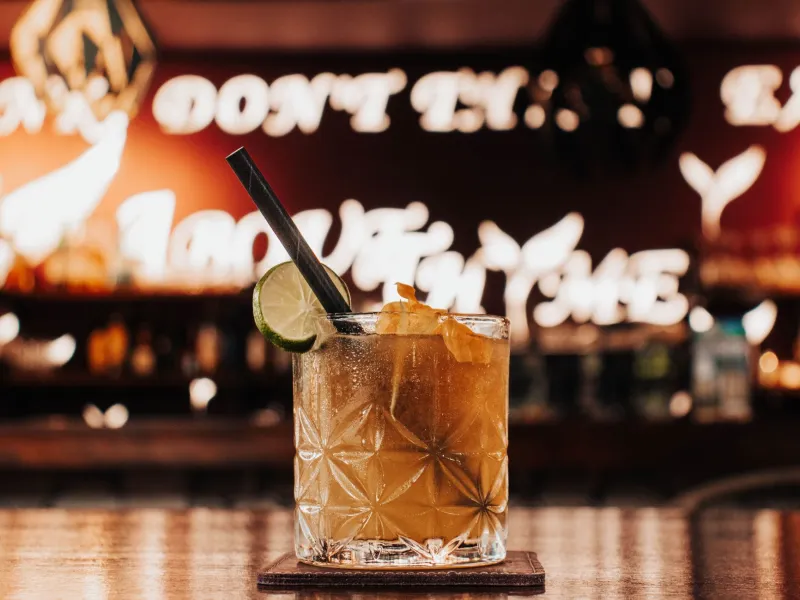
Twelve pounds is the new tenner in a lot of UK lounge bars. Not everywhere, and not always happily, but walk into a decent cocktail room in Manchester, Bristol, Glasgow or a quieter corner of London and £12 is a familiar number on the list. The awkward part is that two drinks at that price can feel like completely different purchases. One lands with a bit of theatre and a sense that the night has started properly. The other arrives, tastes fine, and leaves you quietly wondering where the money went.
That gap is not always about the liquid. It is about everything around it: the ice, the glass, the pace, the service, the sound in the room, and whether the bar has built something worth sitting inside for an hour. You do not need a notebook and a calculator to work that out. You just need a decent read on what a £12 cocktail is actually doing for you.
The Price Tag Is Only the Opening Line
A cocktail menu price is a starting point, not a verdict. In a UK lounge, £12 might cover a well-made drink in a room that feels considered, or it might cover a rushed pour in a space that is trying to turn tables before the next booking. Same number, different night.
It helps to separate the drink from the experience. The drink has ingredients, labour and dilution. The experience has seating, lighting, music, staff attention and the general sense of whether you are being looked after or merely processed. Value sits somewhere between those two things. A £12 cocktail that tastes good but arrives in ninety seconds, in a room so loud you have to shout, is not the same as a £12 cocktail that gives you a comfortable hour.
This is not an argument for pretension. A lively bar can be excellent value if that is what you came for. But it is worth knowing which part of the £12 you are buying.
Ice Is a Cost, Not a Decoration
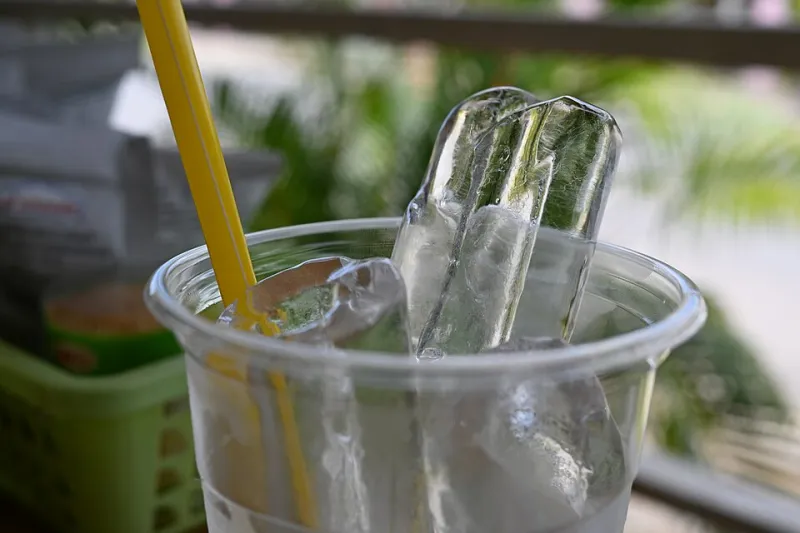
Good ice is one of the clearest signals of whether a bar is spending money in the right places. A single clear block, a properly cut cube, or a decent sphere takes time, equipment and freezer space. It also changes the drink. It keeps the cocktail cold without flooding it, and it controls how quickly the flavour changes as you sip.
When ice is thin, cloudy or already half-melted when the glass reaches the table, you are often paying for the idea of a cocktail rather than the execution. The drink may still taste pleasant for five minutes, but it will slide downhill fast. In a £12 serve, that matters. You are not being fussy by noticing. You are reading the room through the glass.
A practical test: does the drink still taste like itself halfway down? If the answer is yes, the bar has probably spent on ice, dilution and technique. If it turns watery and vague, the £12 was weighted towards the address rather than the drink.
Glassware, Service and the Theatre of the Room
Glassware is another quiet cost. A proper coupe, a heavy rocks glass or a highball that feels good in the hand is not free, and neither is the washing and handling that keeps it in good condition. It is not about fancy for the sake of fancy. It is about whether the drink has been given a decent stage.
Service is harder to price but easy to feel. A bartender who knows whether you want to be left alone, who times the second drink sensibly, and who can answer a simple question without making you feel like an inconvenience is adding real value. A £12 cocktail served with a bit of warmth and attention feels more reasonable than a £10 cocktail delivered with a sigh.
And then there is the room. In a UK lounge, you are often paying for the seat as much as the sip. If the lighting is doing its job, the music sits under conversation, and the tables are spaced so you are not sharing a shoulder with a stranger, the drink has a better chance of being enjoyed. If the sound is so sharp that you are reading lips by 10pm, the cocktail has to work twice as hard.
One useful check is whether the bar wants you to stay for a second drink. Not in a pushy, upselling way, but in the sense that the room has a rhythm. A good lounge night does not need to be rushed. The £12 starts to look like better value when it buys you a bit of time.
Sound and Pace: The Invisible Line on the Bill
Pace is the most underrated part of cocktail value. A drink that arrives too early, before you have settled, can feel like a transaction. A drink that takes forever when the bar is clearly not busy can feel like a warning. The sweet spot is when the serve lands just as you are ready for it.
Sound matters too. A cocktail is a sensory experience, and if the room is too loud, you lose the top notes, the conversation and the point of sitting in a lounge rather than standing in a queue. This is not about every bar needing to be a library. It is about knowing what kind of night you are in and whether the £12 is buying the right atmosphere for it.
In 2026, plenty of UK bars are balancing rising costs with the need to keep a £12 cocktail from feeling like a luxury. The good ones tend to be honest about it: smaller menus, better execution, fewer gimmicks. The weaker ones add a garnish and hope you will not notice the rest.
A Three-Question Test for a Twelve-Pound Drink
You do not need a spreadsheet. Ask yourself three things.
First, did the drink hold its shape? If it stayed cold, balanced and recognisable from the first sip to the last, the bar has done the basics properly.
Second, did the room let you enjoy it? If you could hear your companion, sit comfortably and feel like you were having a night out rather than waiting for a table, the price is already carrying more weight.
Third, would you order the second one here? Not because you are on a mission, but because the first made you want to stay. That is usually the clearest sign of value. A £12 cocktail that makes you want another is doing its job. A £12 cocktail that makes you check the time is not.
When the £12 Is a Bargain — and When It’s Just a Bill
A £12 cocktail is good value when it buys you a drink you could not easily make at home, served in a room that makes the evening feel a bit more considered. It is poor value when you are paying mostly for a postcode, a queue or a garnish that looks better than it tastes.
That does not mean every cheap drink is a bargain or every expensive one is a rip-off. It means the number on the menu is only the beginning. Look at the ice. Notice the glass. Listen to the room. See whether the service gives you a bit of breathing space. And remember that in a UK lounge, the £12 is often buying an hour of atmosphere as much as a drink.
Spend it on the places that understand that. The rest can keep the menu.