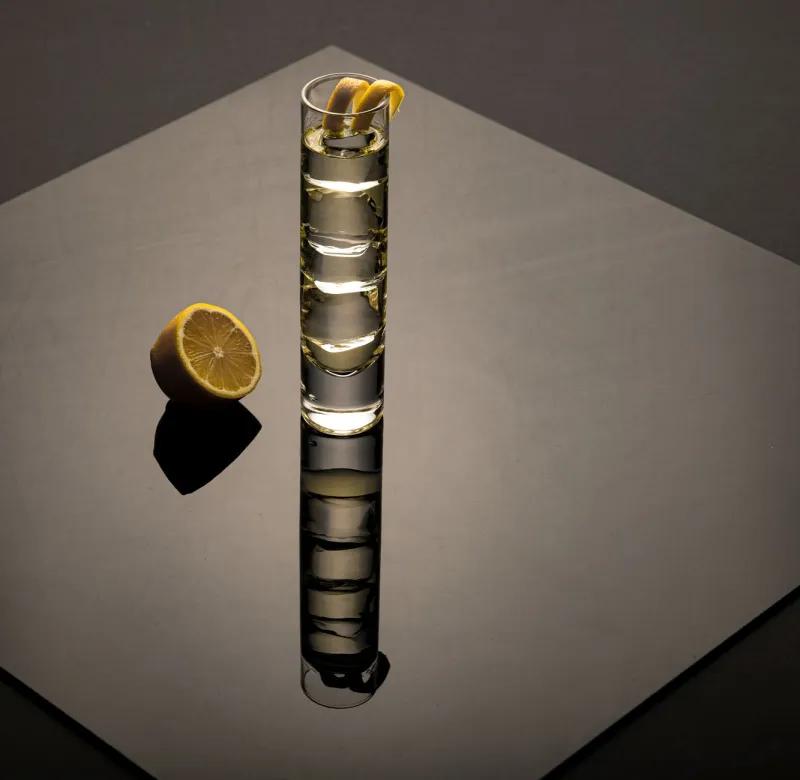
Hold the Stem: What a Lounge’s Glassware Tells You Before the First Sip
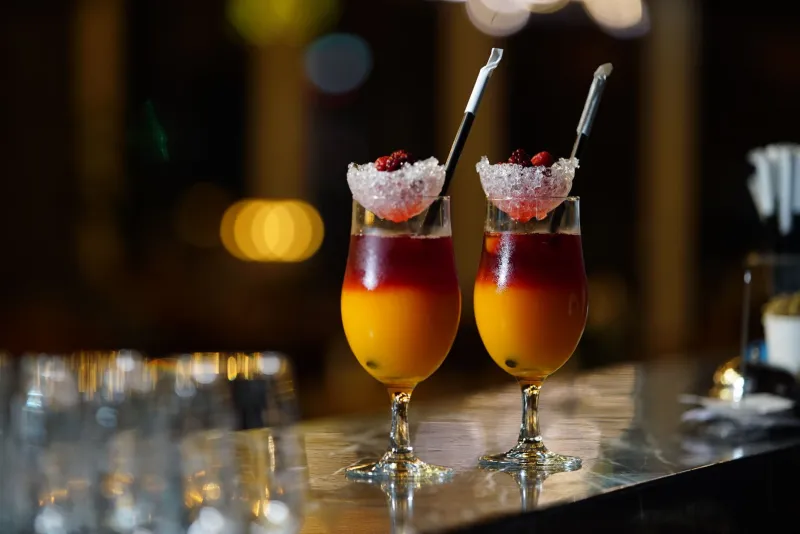
You sit down. The menu is still face-down on the table, the room is doing its thing, and then a glass arrives. Maybe it’s just water. Maybe it’s the first cocktail. Either way, before you taste anything, the glass has already told you something about the place you’re in.
Glassware is the quietest test in a lounge. It doesn’t need a sommelier’s flourish or a speech about provenance. It just sits there: the weight in your hand, the chill on the rim, the shape of the bowl. In a UK bar scene that loves a bit of theatre, it’s easy to overlook. But the glass is often the most honest thing on the table.
The first glass is already a review
Start with whatever lands first. A water glass with a smeared lip or a chipped edge is a small thing, but it’s rarely the only small thing. A clean, polished glass with a bit of weight to the base suggests someone checked it before it left the bar. That’s not about luxury. It’s about attention.
This is especially true in the kind of lounge where the drinks list is trying to say something. If the bar has spent time on infusions, house vermouths or a carefully chosen ice programme, the glass should feel like part of the same thought. When it doesn’t — when a delicate drink arrives in a thick, chunky tumbler that feels like it came free with a hotel minibar — the message is mixed. Not fatal, but noticeable.
Weight, balance and the feel of a place
A decent glass doesn’t have to be heavy. It has to feel balanced. Pick it up: does it sit comfortably, or does it feel top-heavy and awkward? A thick, clunky rim can make even a good drink feel like a chore; a thin, well-finished rim lets the liquid meet your mouth without a barrier. You don’t need to be precious about it. You just need to notice.
There’s also the matter of condition. A glass that has gone cloudy from too many dishwasher cycles, or one with a scratch across the bowl, is a small sign that the details are being left to chance. In a busy British bar, that can happen. But a lounge that charges properly for its drinks should be able to keep its stemware in decent order.
Shape is doing more than posing
Coupe, Nick & Nora, highball, rocks, tulip. Each shape is a small piece of engineering, and each one changes how the drink tastes and smells. A coupe gives a wide surface for aroma but warms faster. A highball needs tall, clear ice and a long pour; if it arrives with three half-melted cubes rattling around, the drink will be watery before you’re halfway down. A tulip or copita focuses aroma and keeps a stirred drink cooler for longer.
If a bar serves every drink in the same squat tumbler, that’s not necessarily a crime — but it’s a choice, and it tells you the drink list probably isn’t the main event. If it matches the glass to the drink without showing off, that’s confidence.
The cold glass test
Temperature is where glassware gets practical. A coupe or martini glass should be chilled, properly. Not just rinsed under the tap and shaken dry. If the glass is warm, the drink warms with it; the first sip is softer, the second is soup. Highballs should be cold too, but the ice matters more. A good highball is built around clear, slow-melting ice, and the glass should be tall enough to hold it without the drink spilling over the rim.
Ask for it chilled if you’re in a place that seems unsure. A good bar won’t blink. A great one will have already done it.
Ice, rims and the small tells
Look at the ice. Not in a forensic way; just notice. A highball with one giant cube or a few properly cut blocks is a good sign. A coupe with a snow of crushed ice where there shouldn’t be any is a clue that the bar is improvising. Rim treatments matter too: salt, sugar, citrus twist. If the rim is patchy or the twist is tired, it’s a small tell. Not a dealbreaker, but a clue.
Then there’s the garnish. A leathery slice of lime or a sprig of mint that has seen better days won’t ruin the night, but it does suggest the bar isn’t tasting its own drinks. In a lounge context, that matters. You’re there for the whole package.
Chips, smears and the confidence question
Run a finger around the rim. Not in a paranoid way; just notice. A chip is a safety issue and a standards issue. Lipstick, water spots, a faint smell of dishwasher — these are the things a bar can fix in seconds. If they haven’t, it’s fair to wonder what else is being missed.
That said, don’t mistake variety for carelessness. A lounge that serves a negroni in a vintage tumbler and a daiquiri in a proper coupe may be showing off its collection, not cutting corners. The test is intention. Is the glass right for the drink? Is it clean, cold where it should be, and comfortable to hold? If yes, the odd mismatch is charm, not chaos.
What the glass can’t tell you
A beautiful glass won’t rescue a bad drink. It won’t fix a surly welcome or a table that’s too close to the door. Use it as a quick read, not a verdict. From a Soho basement to a Leeds hotel lounge, the glass is simply one of the first pieces of evidence you get. It tells you whether the bar is paying attention, and whether it trusts its own drinks enough to present them properly.
A practical checklist for the first round
- Hold it up to the light: clean, no chips, no smears.
- Check the temperature: chilled for shaken or stirred drinks, appropriate for the serve.
- Look at the ice: clear, plentiful, the right size for the glass.
- Notice the rim: thin, smooth, properly garnished.
- Ask yourself: does this glass suit the drink?
Then put it down and order. The glass has done its job. The rest is up to the bartender — and you.